مقدمة
عند العمل مع الأسطح المعمارية الحديثة عالية الجودة، مثل ألواح الحجر المتكلس كبيرة الحجم، وبلاط البورسلين الفاخر، والزجاج المعماري المتين، يواجه المصنّعون والمقاولون معضلة تشغيلية كبيرة. كيف يمكن قطع دوائر كبيرة القطر - تتراوح من 40 مم إلى 200 مم أو حتى 300 مم - لأعمال السباكة الثقيلة، ومصارف الأرضيات، ومجموعات قنوات الكهرباء، أو أحواض الزينة الفاخرة، دون تكسير لوح حجري باهظ الثمن؟
تتطلب مناشير الثقب الماسية التقليدية ذات القطر الثابت من الفنيين المتخصصين شراء وتخزين ونقل عشرات رؤوس الثقب الثقيلة. والأسوأ من ذلك، أن مناشير الثقب القياسية ذات الجسم المغلق تعاني من صعوبة في تبديد الحرارة بكفاءة أثناء عمليات القطع الكبيرة والمطولة. وهذا يؤدي إلى تآكل حراري مبكر لمصفوفة الماس، أو ما هو أسوأ، إلى تكسر كارثي للمادة نتيجة للصدمة الحرارية الموضعية.
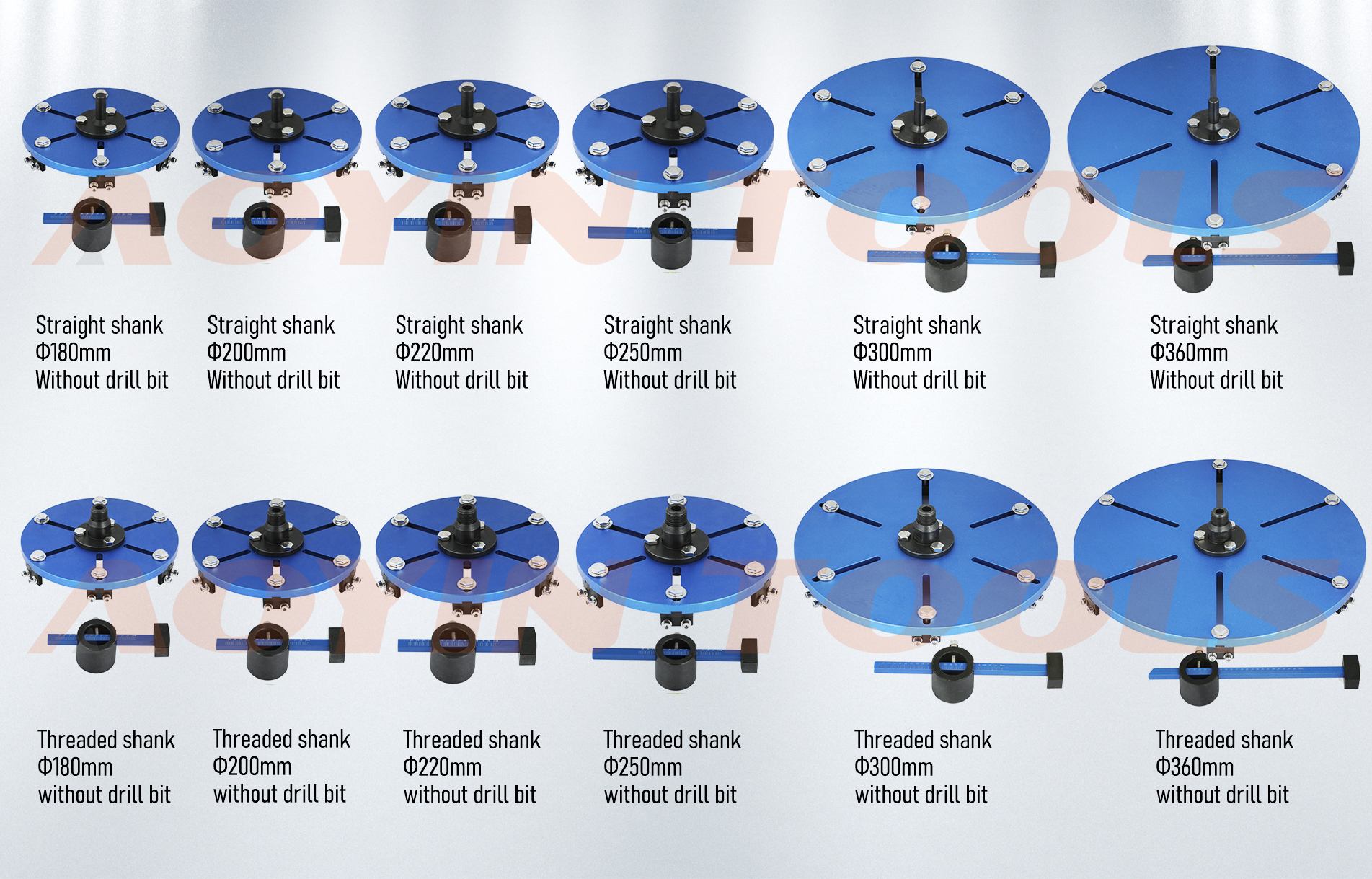
إليكم الحل الذي سيغير وجه الصناعة: قاطع ثقوب دائري ماسي قابل للتعديل من AOYIN مع مقياسصُممت هذه الأداة المتخصصة بآلية ذراع انزلاق قابلة للتعديل، ومقاييس دقيقة محفورة بالليزر، وقطاعات من حبيبات الماس الصناعية المطلية بالكهرباء عالية الجودة، لتحل محل مجموعة كاملة من رؤوس القطع الثابتة. يستكشف هذا الدليل الشامل الآليات الدقيقة لإتقان عمليات القطع الدائرية ذات الأقطار الكبيرة، وتحسين سرعات الدوران، ومنع تلف الحواف، وإطالة عمر قرص التصنيع القابل للتعديل.
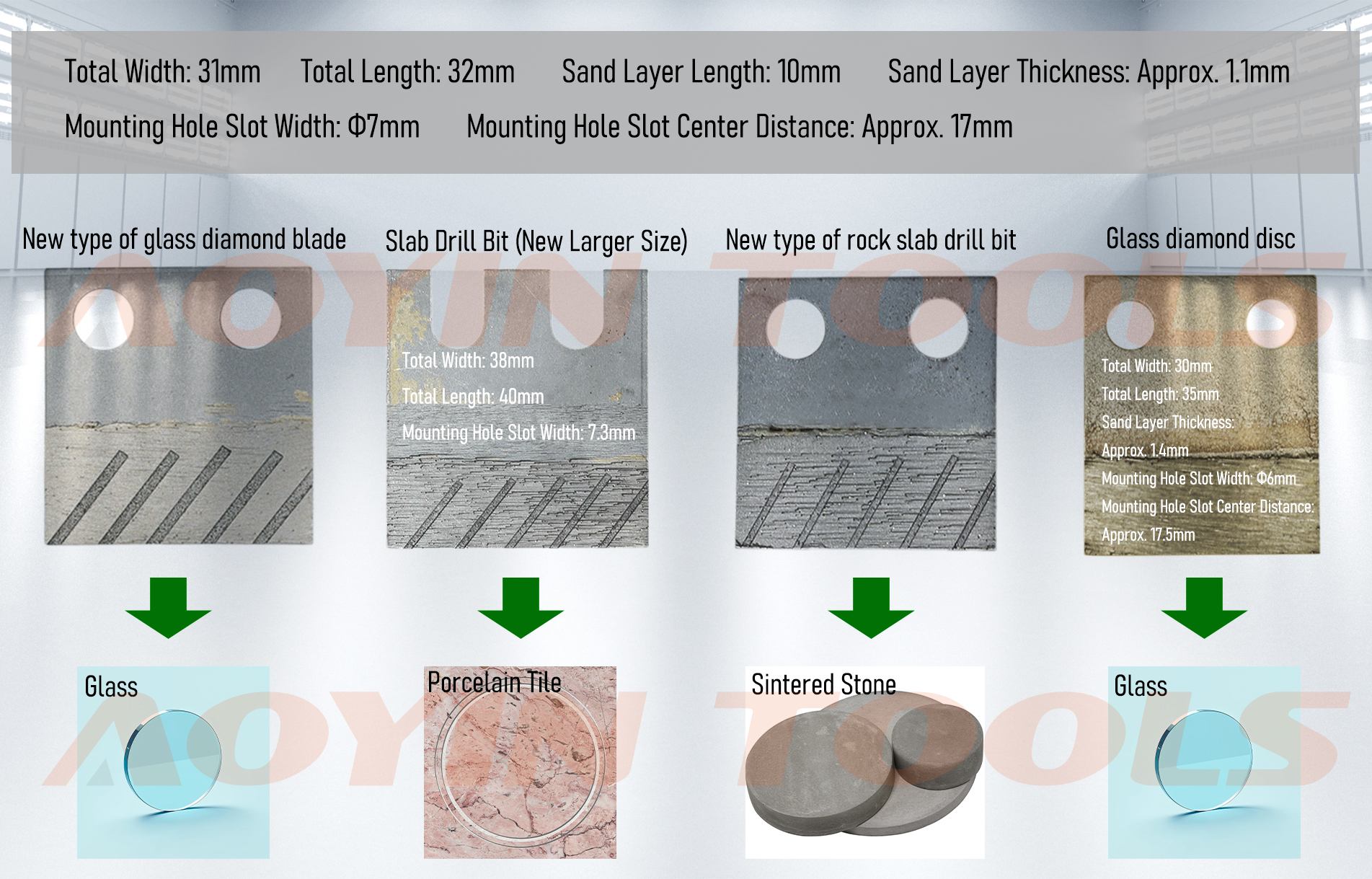
قبل استخدام أي أداة كهربائية دوارة، من الضروري تقييم الخصائص الفيزيائية للمادة المراد قطعها. تُضغط مواد البناء الحديثة، مثل الحجر المُلبّد والخزف المُصنّع، تحت ضغط هائل وتُحرق في درجات حرارة عالية للغاية، مما يُغيّر بنيتها البلورية ويُحدث توترًا داخليًا كبيرًا.
الحجر المُلبّد: يُصنع من معادن طبيعية مضغوطة تحت ضغط خام يتراوح بين 25000 و30000 طن، ومُلبّدة في درجات حرارة تتجاوز 1200 درجة مئوية. يتميز هذا الحجر بتوتر هيكلي داخلي شديد. قد تؤدي حركة طحن غير سليمة أو اهتزاز جانبي مفاجئ إلى إطلاق هذا التوتر فورًا، مما يتسبب في تشقق اللوح بأكمله من المنتصف.
بلاط البورسلين: يتميز بكثافته العالية، وعدم مساميته، وملمسه الزجاجي. يتطلب البورسلين استخدام منشار ثقب عالي الجودة مصمم خصيصًا لثقب البلاط، حيث يقوم هذا المنشار بخدش المادة بشكل دقيق ومستمر بدلاً من تكسير طبقة التزجيج الرقيقة العاكسة الموجودة في الأعلى.
الزجاج المعماري: هش تمامًا وغير بلوري. لا يتحمل الزجاج أي اهتزازات أثناء التشغيل أو جيوب حرارية موضعية. يتطلب ثباتًا ميكانيكيًا مطلقًا، وتزييتًا مستمرًا بالماء، وقوة طرد مركزي متوازنة تمامًا.
لقطع المواد الثلاث بنجاح دون استنزاف ميزانية الأدوات باستمرار، يُعد قاطع الثقوب الصناعي القابل للتعديل، الذي يستخدم جزيئات الماس الصناعي عالية الجودة المدمجة في إطار من سبيكة صلبة، الحل الأمثل والأكثر فعالية من حيث التكلفة لورش العمل التجارية الحديثة. اكتشف مجموعتنا الصناعية الكاملة من مكونات حفر الزجاج والبناء المتخصصة مباشرةً على الموقع الرسمي. حلول أدوات AOYIN صفحة الكتالوج.
لعقود طويلة، كان الحرفيون المحترفون يملؤون صناديق أدواتهم بعشرات رؤوس حفر الماس الفردية. ورغم أن المناشير الثابتة لا تزال ممتازة للمهام الصناعية المتكررة والمعيارية، إلا أنها تفتقر إلى المرونة والقدرة على التكيف اللازمتين للتصاميم المعمارية المخصصة وأعمال التجديد حسب الطلب في الموقع.
تحليل الميزة التقنية
| مصفوفة أداء منشار الثقب الماسي | |
| منشار ثقب ماسي ثابت تقليدي | قاطع الماس القابل للتعديل من أويين |
| يتطلب شراء أكثر من 20 قطعة مختلفة | أداة واحدة متكاملة تناسب جميع الأقطار |
| وزن تخزين ونقل هائل | حجم مجموعة أدوات خفيفة الوزن وصغيرة الحجم. |
| يحبس الجسم ذو الكأس المغلق الحرارة والملاط | نظام تبريد مزدوج الذراع مفتوح الإطار يبرد على الفور |
| يطالب باستبدال الجزء بالكامل | مكونات قابلة للاستبدال ذات تكلفة اقتصادية عالية |
| يحد مركز الثقل الثابت من عملية الرفع. | خيارات التثبيت باستخدام أكواب الشفط والتثبيت التجريبي |
هندسة المقياس المحفور بالليزر
يكمن الإنجاز الهندسي الرئيسي لقرص الحفر القابل للتعديل من AOYIN في مقياسه عالي التباين المحفور بالليزر والممتد على طول العارضة المصنوعة من سبيكة متينة. فبدلاً من استخدام الفرجار التناظري أو إجراء قطع تجريبية يدوية على مواد خردة لتقدير القطر، يقوم المستخدمون ببساطة بفك براغي القفل السداسية المتينة، وتحريك مجموعات القطع ذات الرؤوس الماسية إلى علامة المليمتر الدقيقة المطلوبة، ثم تثبيتها بإحكام في مكانها. هذه الصلابة الهيكلية تقضي على أخطاء القياس البشري، وتقلل وقت الإعداد من دقائق إلى ثوانٍ، وتضمن دقة مركزية مثالية في جميع القطع المتتالية.
دليل خطوة بخطوة: كيفية قص دوائر كبيرة القطر بأمان
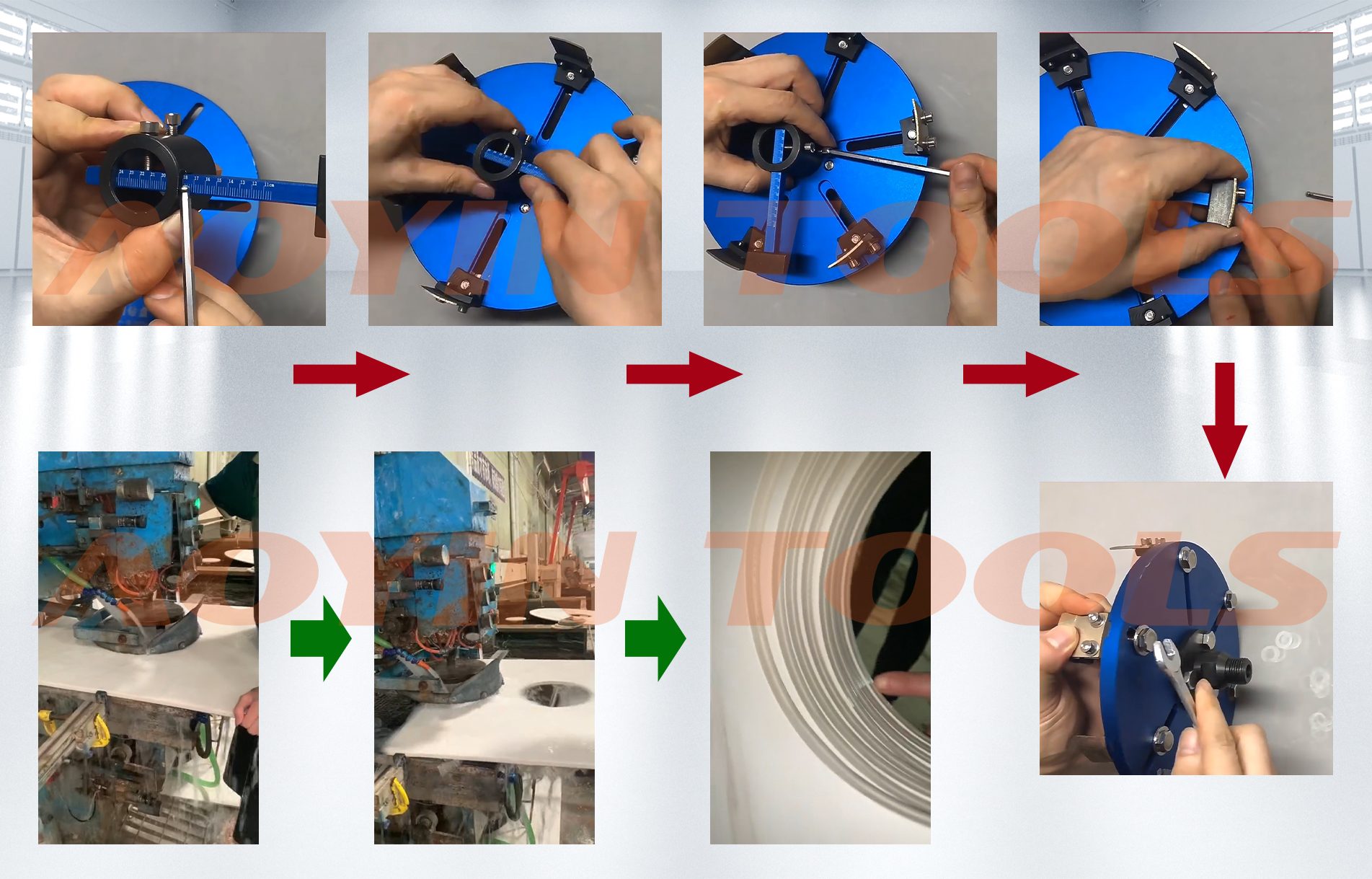
يتطلب طحن اللب الدقيق على المواد عالية الجودة التزامًا صارمًا بتسلسل تشغيلي محدد. سواء كنت تستخدم الأداة على مثقاب طاولة ثقيل في ورشة العمل أو تقوم بتركيب يدوي باستخدام دليل تثبيت يعتمد على الشفط، اتبع إجراء التشغيل القياسي هذا لضمان الحصول على حواف نظيفة ومصقولة في كل مرة.
معايرة المواد ووضع علامات التخطيط: الخطوة 1: المعايرة.
ضع لوح الزجاج أو بلاط البورسلين أو لوح الحجر المُلبّد بشكل مسطح تمامًا على سطح صلب ماص للاهتزازات، مثل حصيرة مطاطية سميكة عالية الكثافة أو لوح عازل من الفوم النظيف. حدد مركز الفتحة الدائرية بدقة باستخدام قلم تحديد غير دائم. قِس قطر التركيب المطلوب، واضبط ذراع نصف قطر القطع لريشة المثقاب الماسي القابلة للتعديل، ثم اربط مسامير التثبيت السداسية بأقصى عزم دوران مُحدد باستخدام مفتاح ربط صلب.
إنشاء شبكة إمداد تبريد المياه: الخطوة 2: الحماية الحرارية.
لا تحاول أبدًا قطع الزجاج أو الكوارتز أو الحجر المُلبّد بدون ماء باستخدام منشار دائري قابل للتعديل. قم بتوصيل خط مياه مستمر منخفض الضغط يغذي مسار القطع مباشرةً، أو أنشئ حاجزًا دائريًا بسيطًا من المعجون/الصلصال حول المحيط المحدد لإنشاء حوض مائي موضعي، أو استخدم مضخة رش رذاذ إلكتروني مستمر. الماء ضروري للحفاظ على برودة مادة الربط الماسية ولشطف الحطام الدقيق شديد الكشط فورًا.
قم بعمل أخدود التوجيه التثبيتي الأولي: الخطوة 3: التوسيط.
إذا كنت تستخدم مثقابًا مركزيًا، فثبّته بإحكام على العلامة المركزية التي حددتها. أما إذا كنت تستخدم نموذجًا مزودًا بدليل شفط، فثبّت مجموعة الشفط بإحكام. شغّل محرك المثقاب بسرعة منخفضة جدًا (حوالي 300-500 دورة في الدقيقة). أنزل مجموعة الأدوات برفق حتى تلامس حافة القطع الماسية سطح التزجيج بشكل مستوٍ تمامًا. ارسم مسارًا دائريًا ضحلًا ومتساويًا بزاوية 360 درجة في طبقة التزجيج العلوية لإنشاء مسار توجيه.
تنفيذ عملية طحن اللب وغسل الطين: الخطوة 4: القطع العميق.
بعد تثبيت مسار التوجيه، زد السرعة قليلاً مع الحفاظ على ضغط خفيف ومتساوٍ للأسفل. دع قوة الكشط الدقيقة للماس الصناعي تصقل المسار؛ تجنب الضغط الزائد أو إجبار المثقاب على النزول. ارفع مجموعة المثقاب قليلاً بشكل دوري (بحركة ضخ لأعلى ولأسفل) كل 10-15 ثانية للسماح لمياه التبريد بالتدفق إلى شق القطع وإخراج المادة السميكة.
تقليل السرعة بشكل جذري وتثبيت الحواف: الخطوة 5: الإنهاء.
عندما تشعر بأن قطع الماس تقترب من الطبقة السفلية أو الطرف الخلفي للوح، قلل الضغط لأسفل فورًا بنسبة تتراوح بين 50% و70% على الأقل. هذا يمنع سدادة القلب المركزية الثقيلة من السقوط المفاجئ بفعل الجاذبية، مما قد يتسبب في تشققات قبيحة في الجانب السفلي لبلاط البورسلين أو تشققات كارثية في الوجه الخلفي لألواح الزجاج المقسى.
للمصنّعين الصناعيين الذين يسعون للحصول على طلبات بالجملة متخصصة، أو أبعاد مخصصة للساق، أو أسعار توزيع مباشرة من المصنع للمنتجات الراقية منشار ثقب ماسي من شركة AOYINخط الإنتاج، تواصل مع فريق الهندسة التجارية لدينا اليوم لمراجعة خيارات الإنتاج المخصصة.
المعايير الأساسية لزيادة عمر الأدوات إلى أقصى حد
تُعدّ آلة قطع الثقوب الصناعية للأحجار المتلبدة استثمارًا حيويًا في كفاءة التشغيل الشاملة لورشة العمل. ولمنع التآكل المبكر أو ارتفاع درجة الحرارة أو احتراق أجزاء الماس، يجب إدارة ثلاثة متغيرات تشغيلية بدقة:
1. تحسين سرعة الدوران (RPM)
لا تقطع أدوات الحفر ذات حبيبات الماس عن طريق القص الميكانيكي الحاد كما هو الحال مع مثاقب الخشب أو المعادن، بل تقطع عن طريق الاحتكاك الدقيق المستمر (الطحن عالي السرعة). تولد السرعات الدورانية العالية حرارة احتكاك هائلة تُذيب مادة الربط المعدنية اللينة من الكوبالت أو البرونز التي تُثبت بلورات الماس في مكانها. بمجرد ذوبان هذه المادة، تتساقط بلورات الماس قبل أن تفقد حدتها بشكل طبيعي. استخدم هذا الدليل لضبط سرعات المثقاب:
الأقطار من 40 مم إلى 80 مم: حافظ على سرعة دوران تتراوح بين 500 و 700 دورة في الدقيقة.
الأقطار 80 مم - 150 مم: خفض السرعة إلى 400 دورة في الدقيقة - 500 دورة في الدقيقة.
الأقطار 150 مم - 300 مم فأكثر: لا تتجاوز أبدًا 250 دورة في الدقيقة - 350 دورة في الدقيقة.
2. بروتوكولات إدارة المخلفات السائلة
أثناء طحن قرص الماس للخزف أو الزجاج، ينتج عنه معجون مسحوقي معتم شديد الكشط. إذا انحصر هذا المعجون داخل قناة القطع الدائرية العميقة، فإنه يعمل كمعجون كاشط ثانوي يُسرّع من تآكل جسم شفرات القطع الفولاذية ويزيل طبقة النيكل. احرص دائمًا على أن يكون تدفق الماء قويًا بما يكفي لدفع البقايا البيضاء الحليبية بالكامل خارج منطقة القطع.
3. إزالة التزجيج وتجهيز مصفوفة الماس
إذا لاحظتَ انخفاضًا ملحوظًا في سرعة القطع أو قيام الأداة بتلميع السطح بدلًا من قطعه، فمن المحتمل أن تكون قطع الماس قد تكسّرت. يحدث هذا عندما لا يتآكل الرابط المعدني بالسرعة الكافية لكشف حواف ماسية حادة جديدة. ولإصلاح ذلك، مرّر أداة القطع عبر عصا تلميع ناعمة شديدة الكشط، أو قطعة من الطوب الحراري الناعم، أو كتلة من كربيد السيليكون غير المصقول لمدة 5 إلى 10 ثوانٍ. يؤدي ذلك إلى إزالة طبقة المعدن المتآكلة وكشف طبقة جديدة حادة كشفرة الحلاقة من بلورات الماس الصناعي.
استكشاف أخطاء تصنيع المواد الشائعة وإصلاحها
حتى خبراء التصنيع ذوو الخبرة العالية يواجهون حالات شاذة غير متوقعة عند الانتقال بين دفعات مختلفة من بلاط البورسلين أو علامات تجارية متنوعة من ألواح الحجر المتكلس. احتفظ بهذه المصفوفة التشخيصية في متناول يدك في ورشة العمل لحل المشكلات فورًا.
المشكلة: تنزلق الأداة أو تتجول على السطح الأملس أثناء بدء التشغيل.
تصحيح: إذا كان نموذجك يفتقر إلى دبوس توجيه مركزي، فلا تبدأ القطع بشكل عمودي تمامًا. قم بإمالة المثقاب بزاوية 30 درجة لعمل شكل هلالي صغير أولًا، ثم قم بتعديل وضع المثقاب ببطء. بدلاً من ذلك، يمكنك تثبيت قالب خشبي أو استخدام أداة تثبيت قوية مزودة بكوب شفط لتثبيت الحركة الجانبية للأداة.
المشكلة: تشقق دقيق شديد على طول الحافة العلوية لطبقة التزجيج الخزفية.
التصحيح: يشير هذا إلى أن سرعة دوران المثقاب عالية جدًا، أو أنك تُطبّق قوة جانبية غير متساوية. تأكد من عدم وجود أي انحراف أو تذبذب في محمل المثقاب، وخفّض القوة الهابطة، وتحقق من أن أجزاء قاطع دائرة الزجاج نظيفة تمامًا وخالية من تراكم مواد التزجيج المنصهر.
المشكلة: تتشقق المادة بالكامل عند نقطة المنتصف لخط اللب.
التصحيح: هذا عطل كلاسيكي ناتج عن الصدمة الحرارية. يعني ذلك أن نظام التبريد المائي لم يوزع الماء بالتساوي على كامل محيط القاطع، مما أدى إلى تفاوت كبير في درجة الحرارة بين جانبي الدائرة. يتسبب التمدد الحراري الموضعي الناتج في تشقق المادة الأساسية فورًا. لذا، يُنصح بتحسين فوهات توزيع الماء لضمان وصول الماء إلى منطقة العمل بأكملها بشكل متساوٍ.
للاطلاع على جداول توافق الآلات الشاملة الإضافية، ورسومات محولات الساق المخصصة، وشهادات الامتثال التجاري العالمية المحلية، استكشف أرشيفنا التقني في المركز قاطع ثقوب قابل للتعديل من AOYIN قاعدة بيانات الموارد.
الأسئلة الشائعة الشاملة (FAQ)
س1: هل يمكنني استخدام قاطع الثقوب الماسي القابل للتعديل من AOYIN على أسطح العمل المصنوعة من الكوارتز عالي الراتنج؟
نعم، يمكن استخدامه على أسطح الكوارتز المُصنّع، ولكن يجب إجراء تعديلات دقيقة على طريقة التشغيل. يحتوي الكوارتز على ما يصل إلى 7% إلى 10% من راتنجات البوليمر، التي تنصهر تحت حرارة الاحتكاك المتوسطة. إذا انصهر الراتنج، فإنه يُغطي أجزاء الماس، مما يتسبب في انحشار الأداة وارتفاع درجة حرارتها. عند التعامل مع الكوارتز، يُنصح بتشغيله بسرعة دوران منخفضة، وزيادة ضغط الماء إلى أقصى حد لغسل بقايا الراتنج اللين، وتنظيف أجزاء الماس بشكل متكرر باستخدام فرشاة سلكية أو حجر صقل.
س2: لماذا يعتبر القطع الرطب إلزاميًا بشكل صارم للحجر المتكلس والزجاج المعماري؟
يؤدي القطع الجاف لهذه المواد الزجاجية الصلبة للغاية إلى رفع درجة الحرارة الموضعية عند طرف القطع إلى أكثر من 700 درجة مئوية في أقل من خمس ثوانٍ. هذه الحرارة الشديدة تُحطم البنية الهيكلية لسبيكة الربط الماسية وتُشوه قضيب التمديد الفولاذي القابل للتعديل. والأهم من ذلك، أن القطع الرطب يمنع تمامًا انتشار غبار السيليكا البلوري الخطير في الهواء، مما يضمن الامتثال الكامل لمعايير الصحة والسلامة المهنية في موقع العمل.
س3: كيف يمكنني التحقق من توازن ذراعي التمديد لمنع اهتزاز المثقاب الشديد؟
في الموديلات ذات الشفرتين، يؤدي عدم ضبط أذرع القطع بشكل متساوٍ إلى مركز ثقل غير مركزي، مما يتسبب في اهتزاز شديد للأداة قد يؤدي إلى تحطيم الزجاج الهش أو تشقق بلاط البورسلين. تأكد دائمًا من تطابق خطوط مؤشر المقياس المحفورة بالليزر تمامًا على جانبي كتلة الحامل المركزية. قبل لمس المادة، ارفع الأداة في الهواء وقم بإجراء اختبار دوران حر لمدة 5 ثوانٍ للتأكد بصريًا من دورانها السلس والمتمركز دون أي أثر للاهتزاز الجانبي.
س4: ما هي متطلبات الأدوات الكهربائية المحددة اللازمة لتشغيل هذه الأقراص القابلة للتعديل الكبيرة؟
نظراً لعزم الدوران الكبير المطلوب لتدوير قاطع دائري كبير القطر عبر الحجر الكثيف، يُنصح بتجنب المثاقب اللاسلكية ذات عزم الدوران المنخفض. بدلاً من ذلك، استخدم مثقاباً يدوياً سلكياً عالي التحمل بسرعات متغيرة مزوداً بمقبض تثبيت جانبي إضافي، أو مثقاباً عمودياً ثابتاً يُوضع على سطح العمل. تم تصميم ساق الأداة خصيصاً لأنظمة الظرف ثلاثي الفك الصناعية بقياس 10 مم (3/8 بوصة) و13 مم (1/2 بوصة).
س5: هل شفرات قطع الماس قابلة للاستبدال، أم أنني بحاجة إلى شراء قرص جديد بالكامل عندما تتلف؟
من أهم مزايا منصة AOYIN القابلة للتعديل، والتي توفر في التكاليف، تصميمها المعياري. فلا داعي للتخلص من الهيكل الرئيسي، أو مجموعة التوجيه المركزية، أو قضبان القياس المعايرة عند تلف حافة القطع. نوفر قطع شفرات بديلة مستقلة وعالية الأداء مصنوعة من سبائك معدنية ذات رؤوس ماسية، تُثبّت مباشرةً على أذرع المنزلق، مما يقلل تكاليف صيانة أدواتك على المدى الطويل بنسبة تصل إلى 60% مقارنةً بريش القطع التقليدية ذات النواة الثابتة.
خاتمة
يُحدث تحويل ورشة العمل التجارية أو فريق التركيب الميداني لديك إلى قاطع ثقوب دائرية ماسي قابل للتعديل مزود بمقياس تغييرًا جذريًا في أسلوبك في تصنيع الأسطح المخصصة عالية الجودة. فباستبدال علبة ثقيلة ومزدحمة تضم عشرين لقمة حفر ثابتة بنظام أدوات واحد عالي الدقة وسهل المعايرة، يمكنك تقليل تكاليف الأدوات الأولية بشكل كبير، وتبسيط عمليات النقل الميداني، وحماية هوامش ربحك عند العمل على مواد باهظة الثمن. من خلال التحكم في سرعات الحفر، واستخدام تقنيات التبريد المائي المناسبة، والثقة في علم المعادن المتقدم لشركة AOYIN، يمكنك تحقيق قطع دائرية نظيفة بجودة المصنع في كل مشروع.


 العربية
 English
 français
 русский
 español
 português